


News
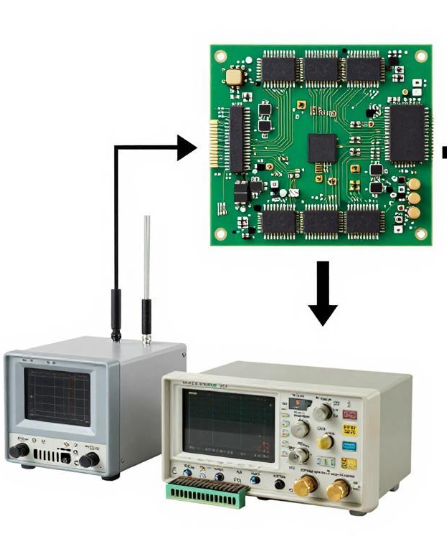
Temperature is the primary environmental factor affecting PCB reliability, from extremely cold outdoors in minus tens of degrees to high temperature inside the equipment at hundreds of degrees, the PCB is always in a stress environment of thermal expansion and contraction.
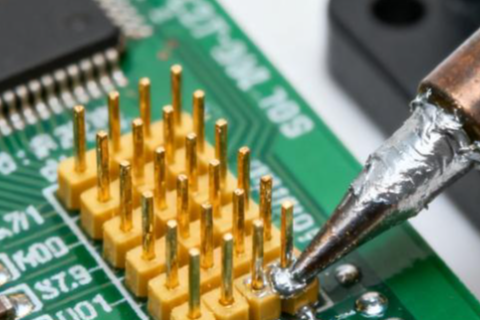
In PCBA production, poor solderability of solder pads is the primary cause of soldering defects, commonly manifested as non-wetting, semi-wetting, solder shrinkage, poor solder penetration, pinholes and bubbles, cold soldering and false soldering, etc.
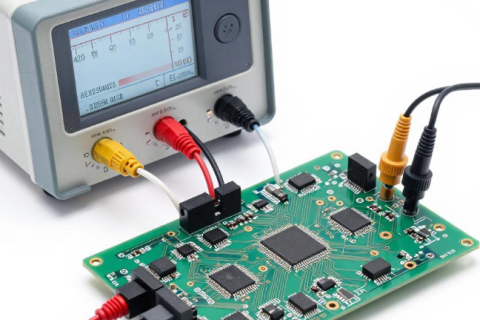
In today's increasingly sophisticated and high-voltage electronic devices, the insulation and withstand voltage ability of PCB as a circuit carrier directly determines product safety and life.
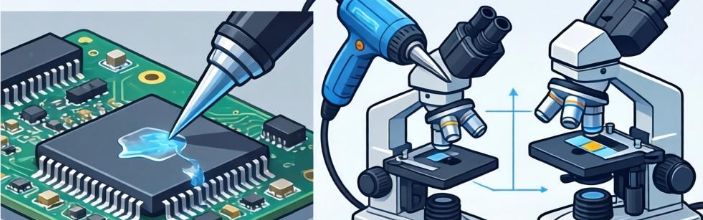
The solderability of PCB pads is not a fixed attribute but a dynamic performance influenced by five major dimensions: surface treatment process, manufacturing process, storage environment, soldering conditions, and material matching.