

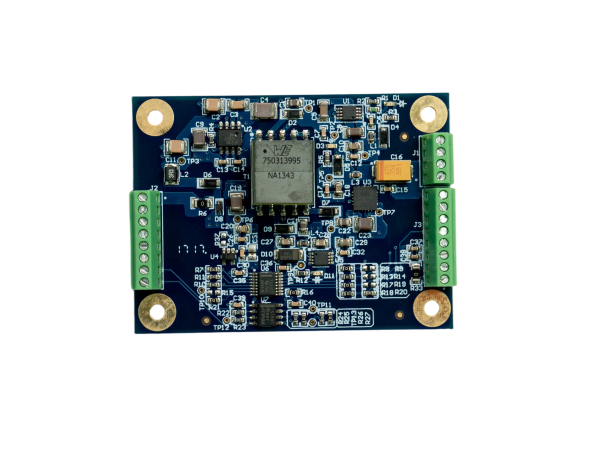
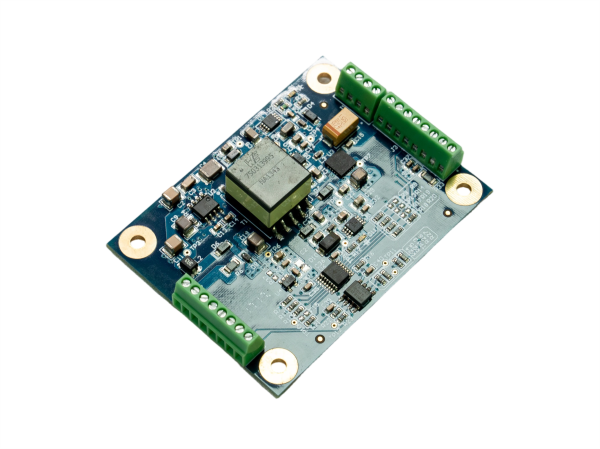
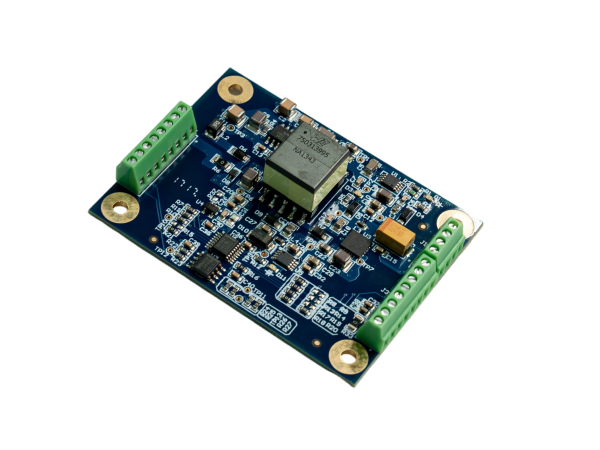
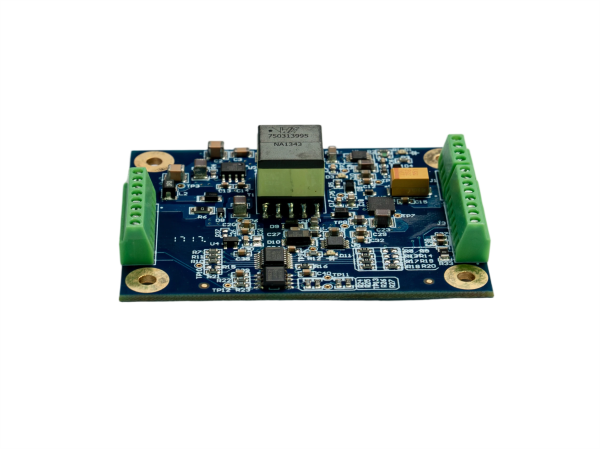
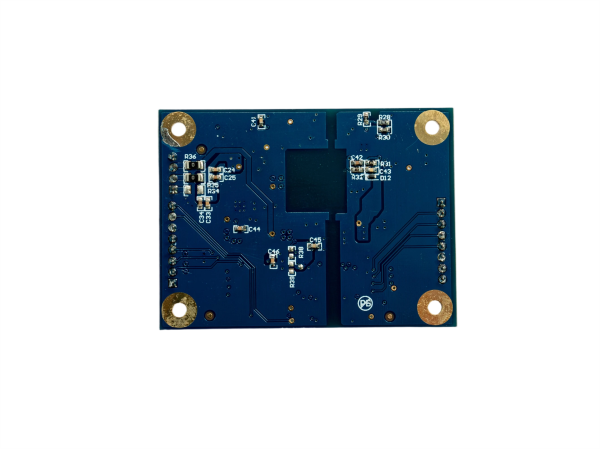
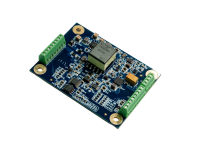
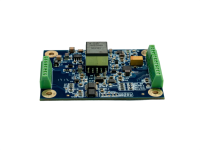
High-Reliability Medical Device PCBA Electronics PCB Assembly
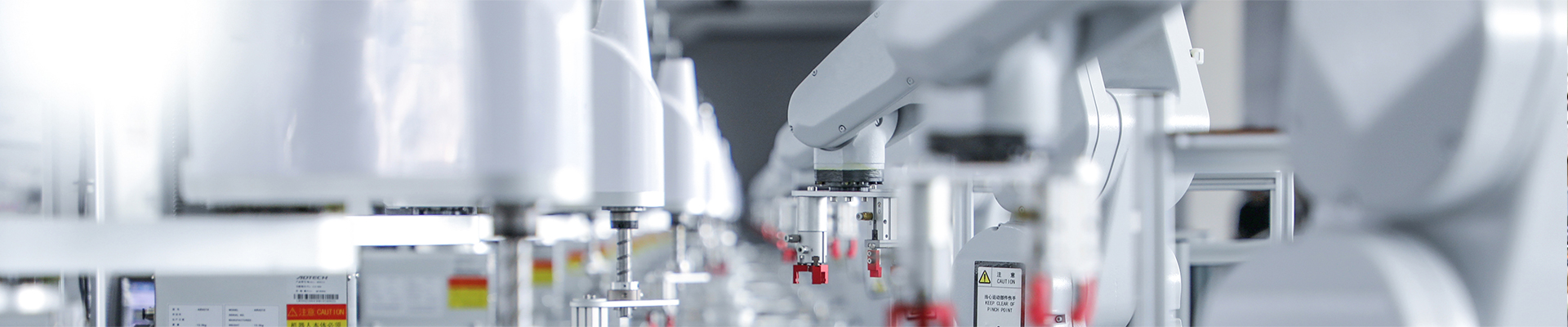
SZH operates a fully independent production facility, featuring multiple high-precision SMT (Surface Mount Technology) production lines as its core, along with dedicated DIP (Surface Mount Technology), testing, and assembly production lines.As a result, they provide flexible manufacturing services spanning from prototype development to large-scale PCB assembly.
High-precision SMT leads: Supports 01005 components, 0.3mm BGA, QFN, and other fine-pitch packages.
Full-process coverage: SMT double-sided technology, mixed assembly, selective soldering, and press-fit techniques are all included.
Strict quality control: The entire production process is monitored through SPI, AOI, X-ray, functional testing, and aging testing systems.
- SZH
- China
- Information
Medical PCBA is a core component in modern medical device development, encompassing design, manufacturing, and assembly processes to ensure reliable operation of diagnostic, therapeutic, and monitoring equipment.
With the continuous advancement of medical technology, the demand for high-quality PCBA manufacturers is growing steadily.
Main steps in the assembly of medical PCBs
1. PCB Fabrication and Preparation:
Manufacture bare PCB according to design specifications, including etching, copper plating, drilling, and adding solder mask.
This stage ensures that the circuit board layout meets the requirements of the circuit diagram and is structurally stable and reliable.
2. Welding paste:
Apply solder paste to designated areas of the circuit board using a template for subsequent surface mount component (SMD) soldering.
The solder paste application must be precise to prevent bridging or insufficient solder paste, which may cause poor connections.
3. Component installation:
Use an automatic surface mount device to place surface mount components (SMDs) onto the PCB.
The machine can accurately locate each component.
In some cases, precision or sensitive components need to be manually installed to ensure accuracy and prevent damage.
4.
reflow soldering:
After the components are installed, the PCB is heated in a reflow oven to melt and solidify the solder paste, forming a secure connection.
The temperature curve is controlled precisely to avoid thermal damage to sensitive elements.
5. Welding of perforated components:
Through-hole technology should be used for components requiring stronger mechanical connections, such as connectors or high-capacity capacitors.
Insert the component into the pre-drilled hole and secure it to the circuit board using wave soldering or manual soldering.
6. Clean:
After welding, clean the assembled circuit board thoroughly to remove flux residues and other contaminants, ensuring no conductive residues remain on the board surface.
In medical PCBA production, the cleaning process is a critical step to ensure compliance with sterilization and cleanliness standards.
7. Protective coating or potting (if necessary):
Circuit boards can be coated with protective coatings to prevent corrosion from moisture, dust, and other contaminants.
Encapsulation (the process of encapsulating circuit boards in protective resin) is employed in critical applications to ensure durability and reliability, particularly in demanding medical environments.
8. Final assembly and labeling:
Integrate the PCBA with other mechanical components of the device and label it with compliance identifiers (including barcodes or serial numbers) for easy traceability, thereby meeting the regulatory requirements for medical devices.
Main applications
Diagnostic equipment:Medical diagnostic devices (such as MRI and CT scanners) require processing large amounts of data, where complex medical electronic components play a crucial role.
Monitoring devices:In medical monitoring equipment such as heart rate monitors and blood glucose monitors, medical PCBA collects data through specific functions and performs transmission and processing.
The precise design of medical PCBs ensures the stable and continuous operation of monitoring devices.
Medical equipment:In devices such as pacemakers, infusion pumps, and ventilators, medical PCBA is crucial, ensuring patient safety while providing high reliability.
For instance, as pacemakers are implantable devices, their PCB design must meet stringent requirements for miniaturization, low power consumption, and exceptional reliability, making electronic assembly a critical component.